

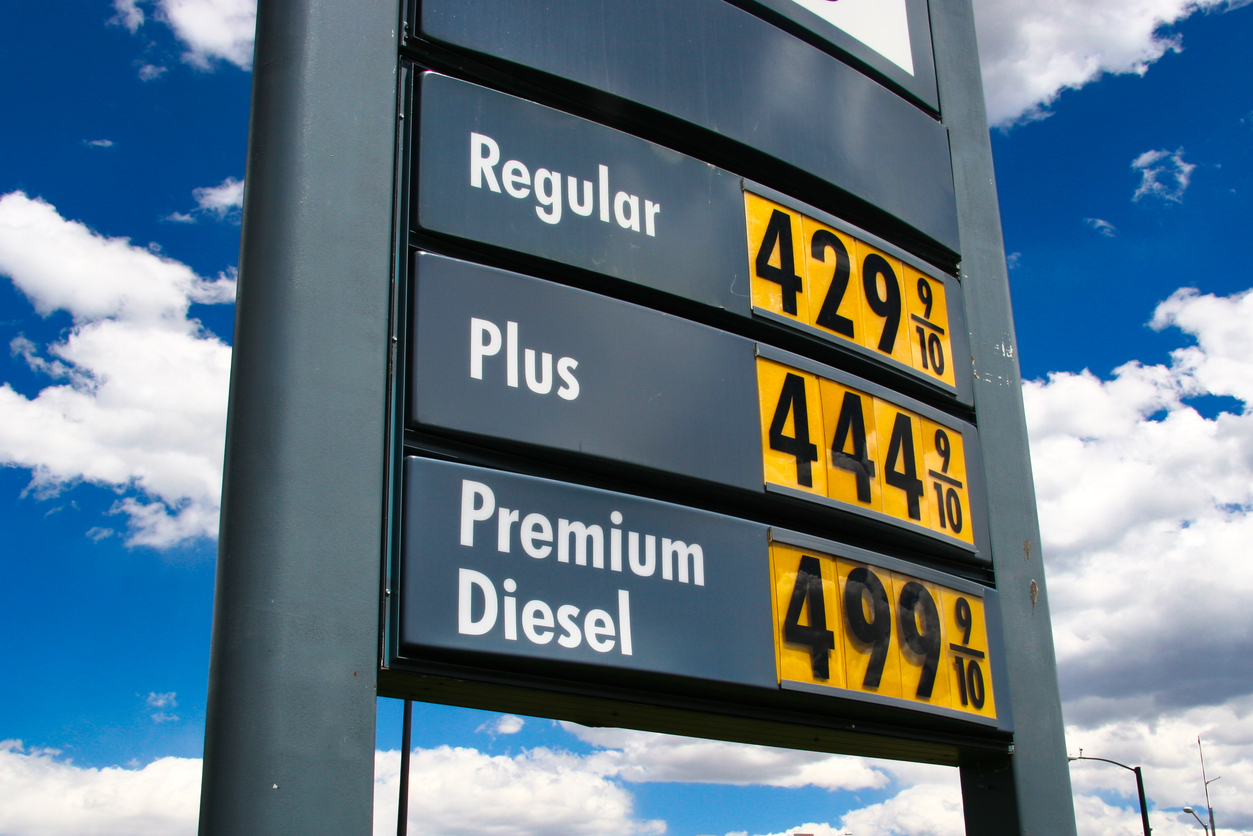
Your roadside price sign is the first thing potential customers see, and for many drivers, it’s the deciding factor in whether they stop for a fill-up or move along. But choosing the right signage is more than just a matter of visibility. From weighing the durability of manual flip signs against the convenience of LED digital displays to understanding how best to align your signage with your brand identity, there is a lot to consider.
We’ll break down everything you need to know to create a pricing sign strategy that ultimately drives more traffic to your station.
First, Do You Even Need a Price Sign?
In the U.S., there generally isn’t one federal rule requiring every gas station to have a roadside price sign. Price posting/signage rules are mostly handled by state laws, consumer protection rules, and sometimes city or county sign ordinances.
Regardless of whether you legally need one, a visible, well-designed price sign is an easy way to attract more customers. Drivers expect to see clear pricing before pulling into a gas station.
Types of Gas Station Price Signs
When selecting a price sign, you will come across two options: analog or digital.
Manual Flip Signs
Manual flip signs, or analog signs, are the traditional, old-school way of displaying fuel prices. They use physical number panels that you (or an employee) must manually update as prices change.
Pros of Analog Signs:
- Usually more affordable
- Simple to maintain
- Don’t require much technical setup
Cons of Analog Signs:
- Can be inconvenient if prices change often, especially during bad weather
- More room for human error
- Look less modern than digital signs
LED Digital Display Systems
LED signs allow you to update prices electronically, often from inside your store or through a connected control system.
Pros of LED Systems:
- Price changes are generally faster, safer, and more accurate
- Better visibility, especially at night or from a distance
- Often give a cleaner, more professional appearance
Cons of LED Systems:
- Typically more expensive to purchase, install, and repair
- May require power, software, controllers, and occasional tech support
Factors to Consider When Choosing a Pricing Sign
When choosing your price sign and strategy, you’ll want to keep a few key factors in mind. These can influence whether a driver stops at your station and continues to the next one.
Visibility From the Road
Visibility is one of the most important, if not the most important, factors to weigh when comparing pricing signs. Drivers should be able to clearly see the displayed prices as they approach your gas station, with enough time to read the numbers and decide whether to stop.
The fundamentals of sign visibility include:
- Sign height (to be seen from a distance)
- Digit size (to be seen while traveling the speed limit)
- Brightness (LEDs for digital signs, additional lighting for analog)
- Clear numbers without distracting visuals
Digital signs tend to be the most visible regardless of time of day and weather conditions. Flip signs can have excellent visibility in daylight, but they may lack it at night or during storms unless lit.
Ease of Price Updates
Think about how often you have to change your prices. Is it an almost daily task? Or can you go a week or longer without making an adjustment?
If you have frequent price updates, you’ll likely want an LED sign, which is the simplest option. But if you make less frequent updates, you can get away with a manual sign.
Durability
A pricing sign can be a huge financial investment. A manual sign could cost a couple of thousand dollars, while an LED system could run into the tens of thousands. So, you want a sign that will last.
Both analog and digital signs are durable in their own ways. Manual flip signs are more durable in the sense that they’re simpler and fewer things can fail. They’re mostly physical panels, tracks, frames, and hardware, so you don’t have to worry about troubleshooting electric components. However, you do need to worry about fading, cracking, wind damage, loose panels, broken tracks, and damage from physical handling.
LED signs are designed to withstand outdoor conditions, but the extent of that durability varies with product quality. A good LED system should be weather-rated, sealed against moisture, and built for temperature changes. Their weak points are power supplies, LED modules, wiring, control boards, and software.
Consider gas station LED price signs for weather resistance and manual pricing signs for simplicity.
Chance of Errors
Your price sign needs to be accurate. You don’t want scorned customers who turn into your station because they saw one price on the sign, only to discover a higher price at the pump. With analog signs, you need to make sure you don’t forget to go out and change the numbers on the sign. With LED signs, you’ll need to update the price from back-office software or a POS. Choose the option you think will lead to fewer issues based on how you operate.
Sign Appearance
Aesthetics are a big part of branding. If your c-store and gas station have more of that small-town, traditional vibe, then a manual flip sign can fit your branding perfectly. However, if you want your gas station to appear more modern, you may want to invest in a digital sign.
Upfront and Long-Term Costs
Like any business decision, your budget is a determining factor. You need to consider both the initial investment and the potential maintenance costs of your sign.
An analog sign is usually cheaper both to purchase and maintain, making it a great choice if you run a smaller operation. LED signs can get pricy, and that’s before you take any potential electronic issues into consideration. However, if you operate a popular spot, the cost is usually well worth it.
Quick Comparison: Analog vs. Digital Price Sign |
||
|---|---|---|
| Feature | Manual Flip Signs | LED Digital Displays |
| Upfront cost | Lower | Higher |
| Ease of price changes | Manual and slower | Fast and remote/electronic |
| Visibility | Good in daylight, limited at night unless lit | Excellent day and night |
| Maintenance | Simple physical upkeep | May require technical repairs |
| Weather Durability | Potential for fading, cracking, wind damage, or loose panels | Usually designed to withstand harsh outdoor conditions |
| Best for | Smaller stations, lower budgets | Busy stations, frequent price changes |
| Appearance | Traditional | Modern |
| Error risk | Higher | Lower |
How Gas Stations Customize Branding on Digital Price Signs
You can customize branding on digital price signs in several ways, depending on the system, local sign codes, and whether your station is independent or part of a branded fuel network.
For gas station digital price sign branding/customization, you’re usually looking at these options:
Brand Colors and Logo Integration
Most digital signs are built into a larger cabinet or monument that includes your logo, brand colors, and visual identity. If you have a branded station, this usually means matching your fuel brand’s required color palette and design standards. If you’re independent, you likely have more flexibility to customize colors, fonts, and logo placement.
Custom Sign Cabinets
The LED price display is just one part of your sign. The surrounding cabinet can be customized with your station name, food-service logos, car wash messaging, or other services. These additions help the sign function as a pricing tool and a roadside advertisement.
Cash/Credit or Loyalty Pricing
Many stations use their digital signs to show multiple price structures, such as cash vs. credit pricing or any loyalty discounts.
LED Color and Digit Style
Price numbers are often red, green, or white, depending on the system. You may choose colors based on visibility, brand standards, or contrast with the rest of the sign.
Can You Customize an Analog Sign?
Yes. Manual gas price signs can be customized, but not as dynamically as LED digital signs.
You can still customize the sign cabinet, background, trim, and panels to match your branding. You can also easily add the station name and any logos. The main limitation is that you have to change the prices by hand, and branding is usually fixed once the sign is manufactured. With digital signs, you can often update prices and messaging electronically.
The customization of flip signs usually focuses on physical shape, colors, layout, and logos.
Quick Tips for a Great Gas Station Price Sign
Whether you go analog or digital, these tips can help your pricing sign stand out:
- Prioritize readability. Use large, high-contrast numbers that drivers can read quickly from the road.
- Keep the layout simple. Don’t overcrowd the sign with too many fuel grades, promos, or messages.
- Make pricing clear. Clearly label cash, credit, member, or loyalty prices so customers aren’t confused.
- Use strong lighting. Make sure the sign is visible at night, in bad weather, and from multiple driving angles.
- Match your branding. Use colors, logos, and cabinet design that fit your station or convenience store brand.
- Choose durable materials. Outdoor signs should withstand wind, rain, sun exposure, temperature fluctuations, and daily wear.
- Think about maintenance. Manual signs should be easy and safe to update, and digital signs should have reliable controls and service access.
- Check local rules. Sign height, brightness, animation, and price display requirements may be regulated locally.
As a rule of thumb, a great price sign should be easy to read, easy to update, consistent with your brand, and compliant.
Profitable Fueling Strategy Starts with Your Supplier
Your sign gets customers to stop, but your fuel supply keeps them coming back. Venture Fuels partners with independent gas stations across the Midwest to provide reliable, competitively priced fuel so your price board always has something worth displaying. Contact our team to learn how we can support your station’s fuel program.