

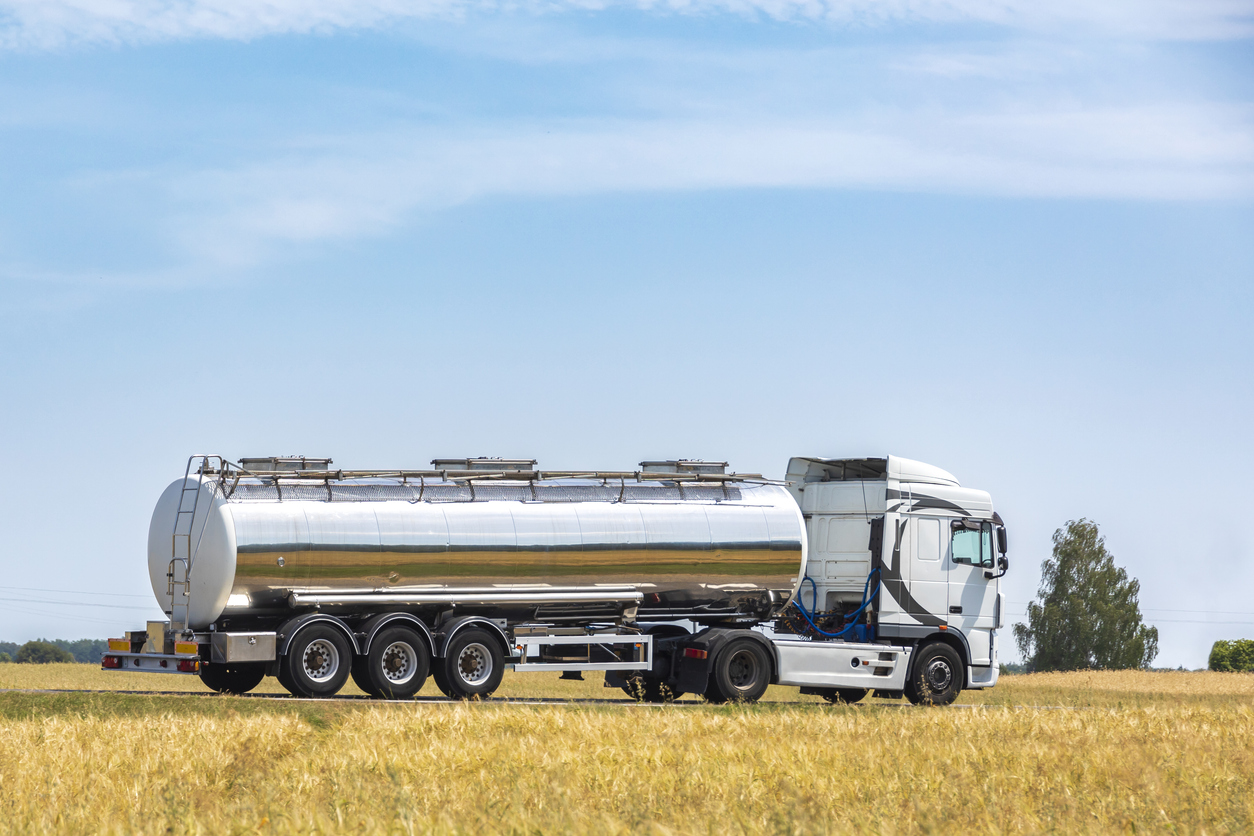
For farms, construction companies, trucking fleets, and municipalities, fuel is an operational input that affects schedules, labor, and costs every single day. On-site fuel delivery removes the friction of off-site fueling by bringing diesel or other fuels directly to your location, on a schedule that fits your operation. But it’s not always the right fit for every business.
This guide breaks down the key benefits, practical logistics, and factors to evaluate so you can decide whether on-site bulk fuel delivery makes sense for you.
What Exactly Is On-Site Fuel Delivery?
With on-site fuel delivery, fuel comes to you rather than you heading to a gas station or fuel depot. A provider dispatches a tanker truck to your location. Depending on your setup, this might happen overnight, early morning before crews arrive, or on a scheduled rotation tied to your actual usage patterns.
In practice, a fuel provider may bring a tanker truck to a job site, fleet yard, farm, or industrial facility. They then pump fuel directly into your storage tank or each piece of equipment and vehicle on-site, depending on the type of fuel delivery service you arrange.
Benefits of On-Site Fuel Services
Direct fuel delivery is an undeniable convenience, but it also offers key operational advantages.
Time Savings
Anyone who drives a car knows how time-consuming stopping for gas can be. Now multiply that across a fleet of vehicles or a large piece of equipment with a diesel tank that takes far more than a standard fill. Time spent fueling off-site (plus travel time) adds up fast, especially when it cuts into work hours mid-shift.
Increased Productivity
Your vehicles or equipment can be ready to go each morning — fueled overnight by your supplier or drawn from an on-site storage tank your team can access without leaving the property. No dispatching drivers to a pump before the workday starts, and no delays waiting for equipment to return. Your crew focuses on the work instead of the logistics of keeping equipment running.
Controlled Fuel Tracking
On-site delivery also gives you better visibility into how much fuel you’re actually using and where it goes. Rather than relying on gas card reports or driver logs, you know exactly how many gallons of fuel were delivered and what went into which vehicle or piece of equipment. That makes it easier to identify inefficiencies, flag unusual usage, and build accurate forecasting into your budget
Common Scenarios for On-Site Bulk Fuel Delivery
On-site bulk fuel tends to deliver the most value in operations with consistent, high-volume fuel demand. Here are the most common use cases.
Fleet Vehicles
If you run a large fleet of vehicles, on-site fuel delivery removes the burden of coordinating fueling every truck each day. The more vehicles you’re managing, the more time and cost you save by keeping fuel on-site.
Construction Equipment
Excavators, compactors, dump trucks, and other heavy equipment burn through diesel fuel quickly — and fueling them at a remote pump isn’t always practical or efficient. On-site delivery keeps a full storage tank available so operators can fuel equipment directly on the job throughout the day.
Learn more about how Venture Fuels supports construction fuel supply.
Farm Vehicles
Agricultural operations have a lot of ground to cover and no shortage of equipment that needs fuel, from tractors and combines to sprayers and irrigation systems. Fuel usage can spike sharply during planting and harvest seasons. On-site bulk delivery keeps storage tanks full without requiring someone to leave the operation to fetch fuel.
Back-Up Generators
Hospitals, data centers, municipalities, and commercial facilities rely on backup generators to maintain operations during outages. Keeping those generators consistently fueled requires a reliable replenishment plan. Scheduled on-site delivery ensures you always have the fuel you need before a critical situation arises.
Does On-Site Fuel Delivery Make Sense for You?
On-site fuel delivery offers real operational advantages, but it works best when volume, location, and infrastructure align.
On-site delivery often works best for businesses that:
- Use a lot of fuel regularly. If fuel is a consistent, ongoing need, it becomes more efficient to bring it to you.
- Have multiple vehicles or pieces of equipment. The more assets you need to fuel, the more time and coordination you save by centralizing it.
- Want to reduce downtime. If stopping for fuel interrupts work, delays jobs, or cuts into productivity, on-site fueling removes that friction.
- Operate on tight schedules or routes. When timing matters (appointments, routes, job timelines), eliminating fuel stops keeps things predictable.
- Value operational efficiency and control. If you care about tracking usage, managing costs, and streamlining operations, on-site fueling gives you more visibility and consistency.
- Have a consistent location (or predictable fueling setup). Even if job sites change, there’s usually a base, yard, or structured way to access equipment for fueling.
It often doesn’t make sense for very small fleets (1–3 vehicles), businesses with highly unpredictable or constantly changing locations, or operations with low overall fuel usage.
Logistics and Cost Factors to Consider
Before committing to on-site fuel service, it’s worth working through a few practical considerations.
Delivery Minimums and Volume Thresholds
Most bulk fuel delivery services have minimum delivery requirements, typically measured in gallons. As a general starting point, operations using several hundred gallons per week are often the strongest candidates.
Tank Requirements and Fuel Storage Regulations
Receiving bulk fuel requires adequate on-site storage, either a fixed aboveground tank, an underground storage tank, or a portable tank for job sites. Fuel storage comes with regulatory requirements around spill containment, tank inspection, and local fire codes, so factor in compliance as part of your planning.
Geographic Access and Delivery Scheduling
A good on-site fuel service provider should be able to reliably reach your location. Confirm that your preferred supplier serves your area and can accommodate the delivery schedule your operation requires.
Ready to Evaluate On-Site Fuel Service for Your Operation?
Every operation runs differently, and your fueling strategy should reflect that. For businesses looking for wholesale fuel, Venture Fuels delivers competitive pricing and reliable supply. For on-site bulk fuel delivery, Smith Energy is your go-to partner. If you’re ready to explore whether on-site fuel service makes sense for your operation, contact Smith Energy for a free estimate.