

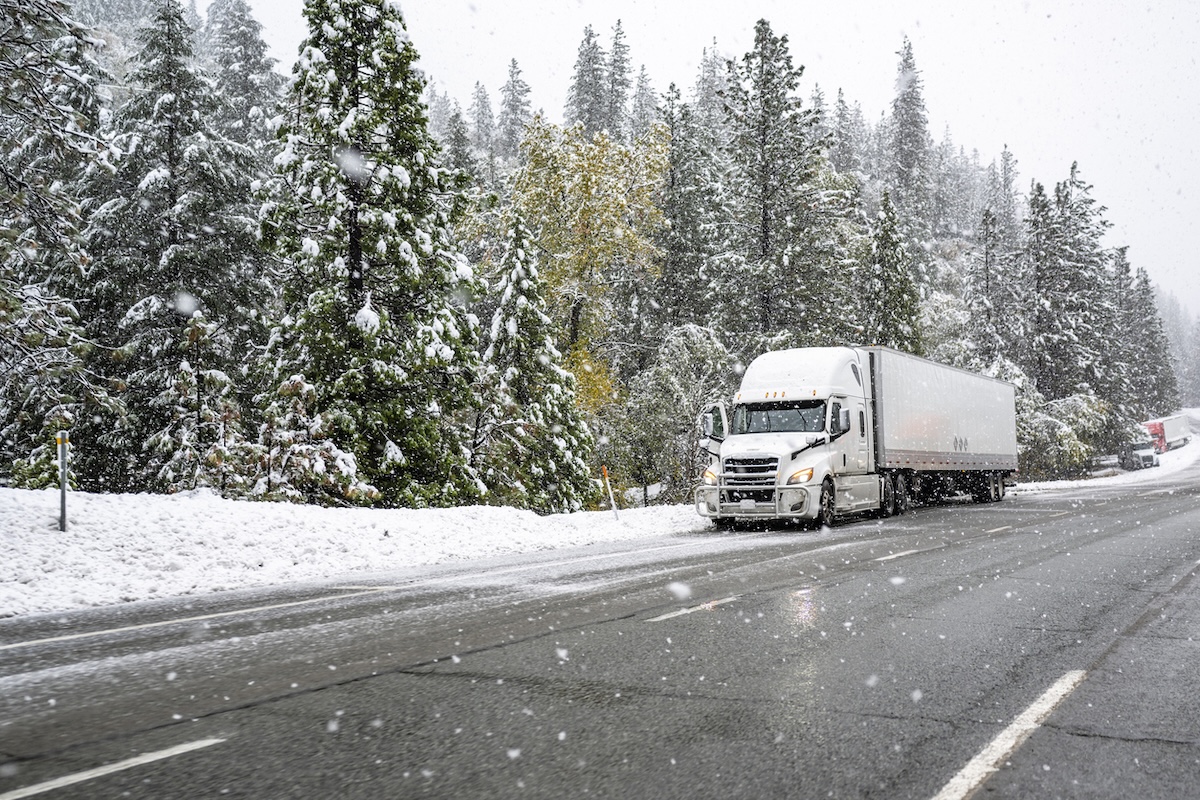
If it feels like your diesel equipment performs worse in winter than in summer, you’re not imagining it. Fortunately, the equipment itself isn’t usually to blame — the real culprit might be the type of diesel you’re using. Diesel comes in two main varieties: summer diesel and winter diesel. Summer diesel is designed for higher temperatures, while winter diesel fuel is adjusted to perform more reliably in the cold.
Read on to learn more about these two fuel types, how diesel additives can help keep equipment running smoothly in cold weather, and how to spot temperature-related issues before they become a bigger problem.
What Happens to Diesel In Cold Weather?
Most diesel, especially standard Grade No. 2 diesel (often called summer diesel), contains paraffin wax, which boosts the fuel’s energy content, improves viscosity, and helps lubricate the fuel system. In warm temperatures, this wax stays dissolved in the fuel and passes easily through your equipment’s fuel filter and fuel lines. But in cold temperatures, the wax can fall out of solution and form small crystals. The temperature at which those crystals become visible is known as the fuel’s “cloud point.”
Reaching your fuel’s cloud point isn’t ideal, but it doesn’t necessarily mean your engine will stop running. However, if the temperature continues to fall past the cloud point, wax crystals can clump and reach the “cold filter plugging point” (CFPP), the point at which fuel gels and can no longer pass through the fuel filter. When this happens, all the standard symptoms of a clogged fuel filter appear — difficult starts, poor performance, stalling, etc.
How Winterized Diesel Differs From Standard Diesel
1. Fuel Blending
One of the most common ways to improve diesel’s cold-weather performance is by blending No. 1 and No. 2 diesel. To understand why this “winterizes” the fuel, we first need to look at the characteristics of these two diesel types.
No. 2 diesel is the standard diesel most people are familiar with. It has a high energy content and performs well under normal operating conditions, but its relatively high cloud point (usually between -18°F and 20°F) and CFPP make it less suitable for colder temperatures.
No. 1 diesel, on the other hand, has a lower cloud point (around -40°F) and CFPP since it contains little to no paraffin wax, enabling it to remain usable at lower temperatures. The tradeoff is that No. 1 diesel is a lower-energy fuel than No. 2 diesel, doesn’t lubricate the fuel system as well, and typically costs a bit more.
By blending No. 1 and No. 2 diesel, suppliers can get the best of both worlds. Most of the energy, lubrication, and price of No. 2 diesel with the cold performance of No. 1 diesel. Suppliers can also adjust the proportion of each fuel based on expected ambient temperature, ensuring the ideal ratio for the season and application.
2. Fuel Additives
Fuel additives can also improve specific aspects of cold-weather performance. Common additives include:
- Anti-Gel Additives: These help prevent wax crystals by lowering the temperature at which they grow and accumulate, minimizing the chance of fuel system clogs.
- Cold Flow Additives: These keep wax crystals small and dispersed, helping them pass through the fuel filter more easily and improving the fuel’s fluidity in extreme cold.
- Cetane Improvers: Cetane is a compound that helps diesel ignite easily under pressure. This additive increases the fuel’s cetane number, which can improve ignition quality and make diesel engines easier to start and operate, particularly in cold conditions.
- Water Dispersants: When temperatures swing, condensation can accumulate in your fuel tank. If that water freezes, it can cause clogs and, in severe cases, damage to your fuel system. Water dispersants manage small amounts of water by dispersing it into the fuel, where it can be combusted, rather than letting it collect.
What to Consider When Preparing Your Diesel Equipment for Winter
Preparing your diesel vehicles and equipment before temperatures drop can help prevent fuel-related problems when you need your equipment most. A few simple checks and conversations with your fuel supplier can go a long way toward avoiding unexpected (and costly) winter downtime.
1. Check Your Equipment
Start by making sure your equipment’s fuel system is in good condition. Partial restrictions in your fuel system can worsen when wax begins to clump in your fuel. So, inspect and replace fuel filters as needed, and address any existing maintenance issues before cold weather arrives.
Your fuel storage deserves attention, too. Water can cause problems year-round, but it can be especially problematic at cold temperatures. Check storage tanks for water or other contamination, and make sure tanks and lines are properly maintained.
2. Know the Signs of Winter Fuel Problems
As the old adage goes, “an ounce of prevention is worth a pound of cure.” Knowing what the early signs of a cold-weather fuel problem look like can be the difference between missing a deadline and fixing a minor issue with time to spare. Watch for symptoms of restricted fuel flow, such as difficult starts, reduced power, rough operation, or stalling engines.
3. Contact Your Fuel Supplier About Winter Blends
Finally, talk with your fuel supplier before the temperature drops. They can help determine which diesel fuel blend and, when appropriate, which additives best suit your needs. A proactive approach to your fuel supply is much easier (and usually far less costly) than trying to solve a fuel problem after equipment has already taken a hit.
Looking for Wholesale Winter Blend Diesel? Venture Fuels Has What You Need
Cold weather shouldn’t mean unpredictable fuel performance. Venture Fuels supplies properly winterized diesel blends so your equipment keeps running through the toughest months. Contact our team to make sure your winter fuel supply is ready before temperatures drop.